
Cobalt and Tungsten: Rethinking the Materials Behind Industrial Coatings
- October 23, 2026
Industrial coating technologies are expected to deliver exceptional performance under increasingly demanding conditions. Components operating in sectors such as aerospace, automotive, steel, energy, and chemical processing may be exposed to severe wear, corrosion, high temperatures, mechanical loading, and aggressive environments. [1] Meeting these requirements has traditionally relied on highly engineered material systems capable of providing extreme hardness and durability. However, technical performance is only one part of the challenge. Increasing attention to critical raw materials, resource efficiency, environmental impacts, and supply-chain resilience is encouraging researchers and industry to reconsider the materials used in advanced coating systems. This raises an important question:
Can the next generation of industrial coatings deliver exceptional performance while reducing dependence on conventional material systems?
Why coating materials matter
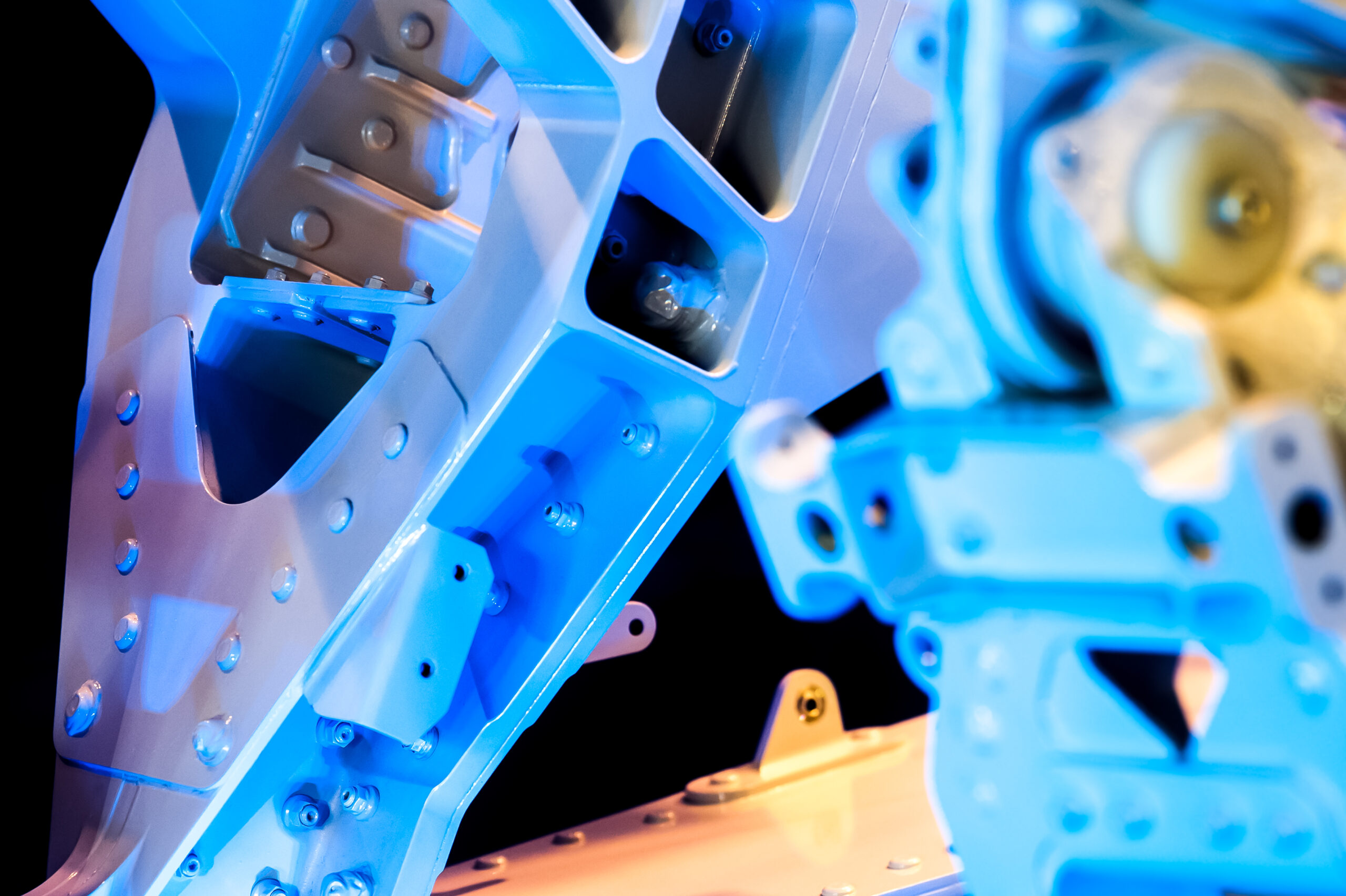
The performance of a coating is strongly influenced by its composition and microstructure. Hard phases can provide resistance to wear, while metallic or other binder phases can contribute to toughness and cohesion. The balance between these components determines how the coating behaves under different operating conditions. Tungsten carbide-based coatings, for example, have become widely used in demanding wear applications because of their excellent combination of hardness and wear resistance.
However, the material choices behind high-performance coatings also raise questions about resource availability, critical raw materials, processing requirements, and environmental impact. Recent research on thermal spray circularity has specifically highlighted tungsten and chromium as critical raw materials and examined the sustainability implications of WC-based coating systems. This does not mean that conventional materials can simply be removed and replaced without consequences. The challenge is considerably more complex.
The challenge of substitution
Replacing a conventional coating material requires more than identifying another material with a similar chemical composition. An alternative system must deliver the combination of properties required by the application. Depending on the industrial context, this may include: high hardness, wear resistance, corrosion resistance, toughness, thermal stability, adhesion, processability, and long-term reliability. This makes materials substitution a genuine materials-engineering challenge.
One promising direction is the development of more compositionally complex materials. High-Entropy Alloys(HEAs) and related High-Entropy materials have attracted increasing research interest because their multi-element compositions can provide opportunities to tailor combinations of properties that are difficult to obtain using conventional alloy-design approaches. [2] For hardmetal and coating applications, this opens new possibilities for exploring alternative combinations of hard phases and binder systems. Rather than simply searching for a one-to-one replacement for an established material, researchers can investigate broader compositional spaces and design materials according to the performance requirements of a particular application.
From materials discovery to coating performance
The development of an alternative coating material can be viewed as a connected chain:
Material design → production → thermal spraying → microstructure → performance → industrial application
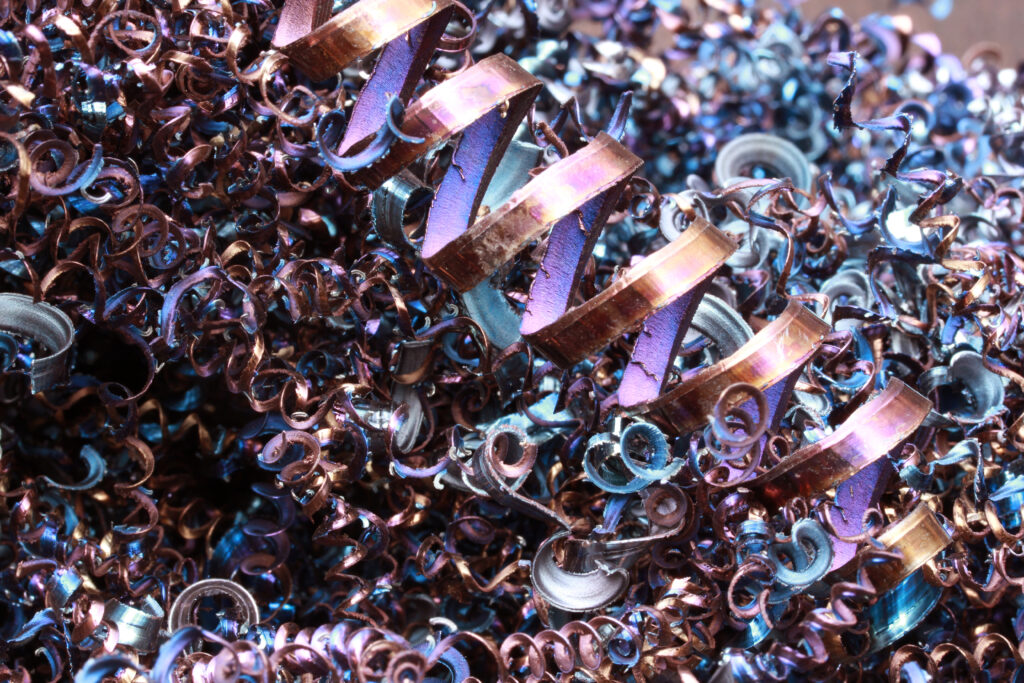
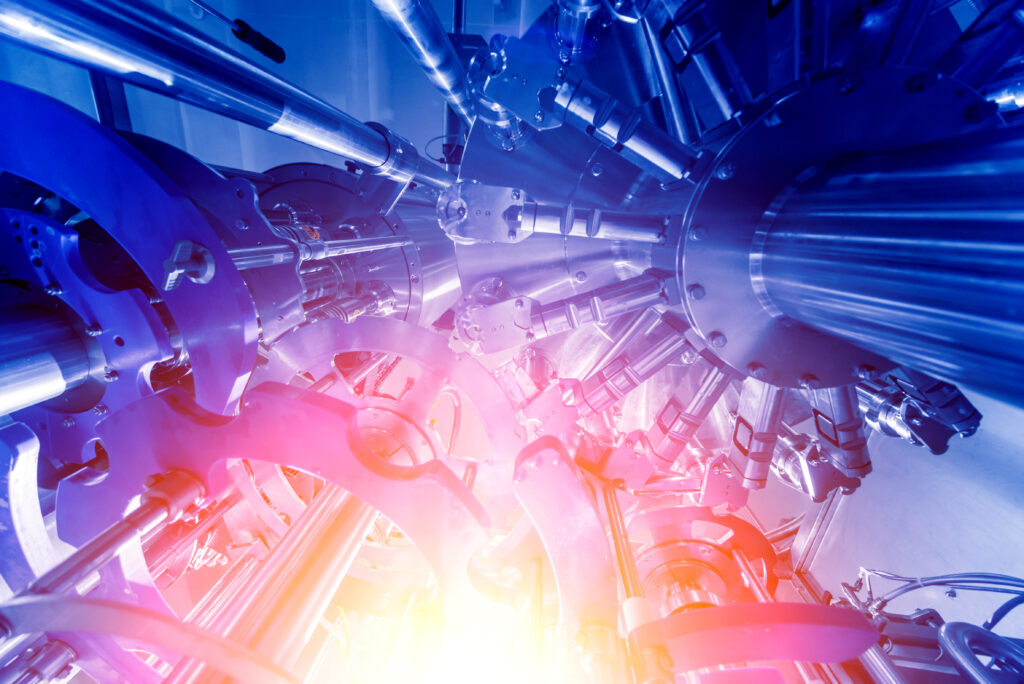
Each stage provides information that can influence the next. Computational approaches can help identify promising compositions. Experimental testing can validate predicted behaviour. Thermal spray trials can reveal how the material behaves during deposition. Characterisation can then connect coating microstructure with properties such as hardness, wear resistance, and corrosion behaviour.
Artificial Intelligence and data-driven methods can further support this process by identifying relationships within experimental and computational datasets. Recent research has highlighted the use of Machine Learning for material composition optimisation, process optimisation, coating-performance prediction, and intelligent thermal spraying. [3], [4] The objective of next-generation coating materials should therefore not simply be to replace one element with another. A successful alternative needs to provide a better overall solution. This means considering technical performance alongside: material criticality, resource efficiency, environmental impact, processing requirements, cost, safety, and expected service lifetime. This broader perspective also connects the materials challenge with the decision-making challenge explored in CoBRAIN’s Sustainable Decision Support System. The development of a new material is only valuable if it can ultimately be identified as a suitable solution for a real industrial application.

CoBRAIN and High-Entropy Hardmetals
This challenge is at the heart of CoBRAIN. The project investigates novel High-Entropy Hardmetals and Alloys for thermal spray applications, with the objective of developing alternatives to conventional coating systems while maintaining the demanding performance required in industrial environments. The CoBRAIN approach combines computational and experimental materials engineering to investigate candidate materials and their behaviour under realistic coating conditions.
This is particularly important because a material that looks promising from a purely theoretical or bulk-material perspective still needs to demonstrate that it can be processed into a functional thermal spray coating. The relationship between composition, processing, microstructure, and performance therefore becomes central to the development process.
Conclusions
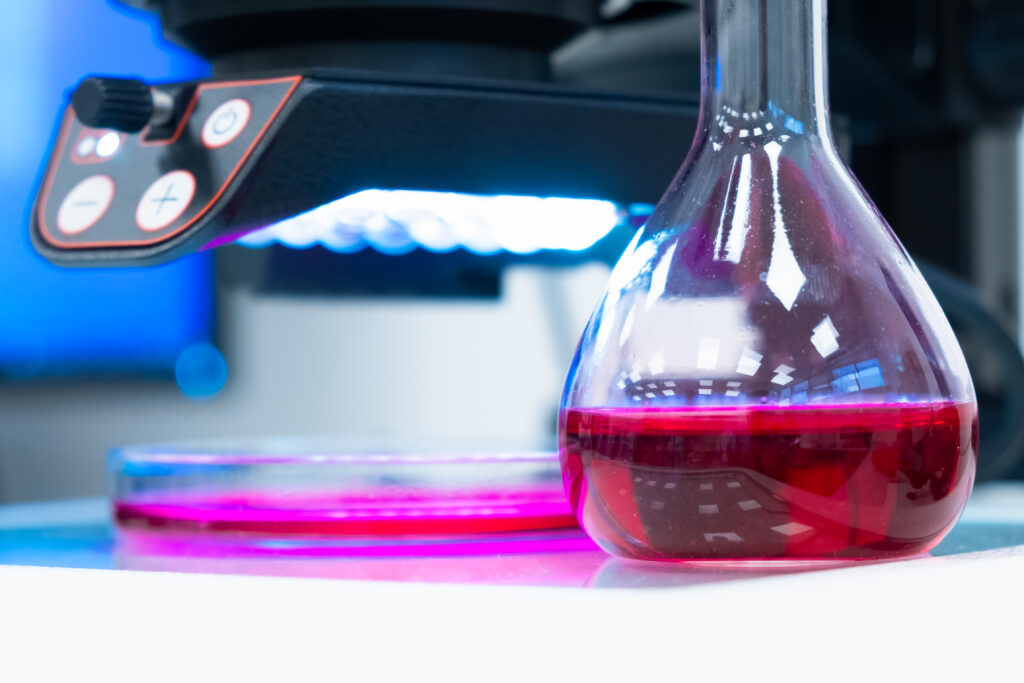
The future of industrial coatings will require more than exceptional technical performance. It will also require materials that can support resource efficiency, supply-chain resilience, sustainability, and long-term industrial competitiveness. Moving beyond conventional cobalt- and tungsten-containing systems is therefore not simply a matter of substitution. It requires new approaches to material design, processing, testing, and application.
CoBRAIN explores this challenge through the development of High-Entropy Hardmetals and Alloys combined with computational and experimental materials engineering, Artificial Intelligence, thermal spray technologies, and sustainability assessment.
The next generation of industrial coatings may therefore not be defined by finding a direct replacement for today’s materials, but by rethinking how high-performance coating materials are designed in the first place.
References
- Shockley, J. M. et al. (2025). Wear- and Corrosion-Resistant Coatings for Extreme Environments: Advances, Challenges, and Future Perspectives. Coatings, 15(8), 878. DOI: 10.3390/coatings15080878
- Ang, A., Archer, T., Arhami, F. et al. (2026). Innovative Coatings for a Greener Sky: The 2026 Strategic Roadmap for Thermal Spray and PVD Coatings. Journal of Thermal Spray Technology, 35(6), 2099–2200. DOI: 10.1007/s11666-026-02276-5
- Zhou, Y.-J. et al. (2025). Intelligent thermal spraying: A comprehensive review of innovation driven by artificial intelligence and machine learning. Materials Today Communications, 49, 113804. DOI: 10.1016/j.mtcomm.2025.113804
- Bocklisch, F., Lanz, O., Torkashvand, K. et al. (2026). Intelligent Decision Support in Thermal Spraying Through AI Modeling of Small and Smart Data: A Case Study on HVAF- and HVOF-Sprayed WC-CoCr Coatings. Journal of Thermal Spray Technology, 35(6), 2223–2250. DOI: 10.1007/s11666-026-02258-7